

 Image 1 of 1
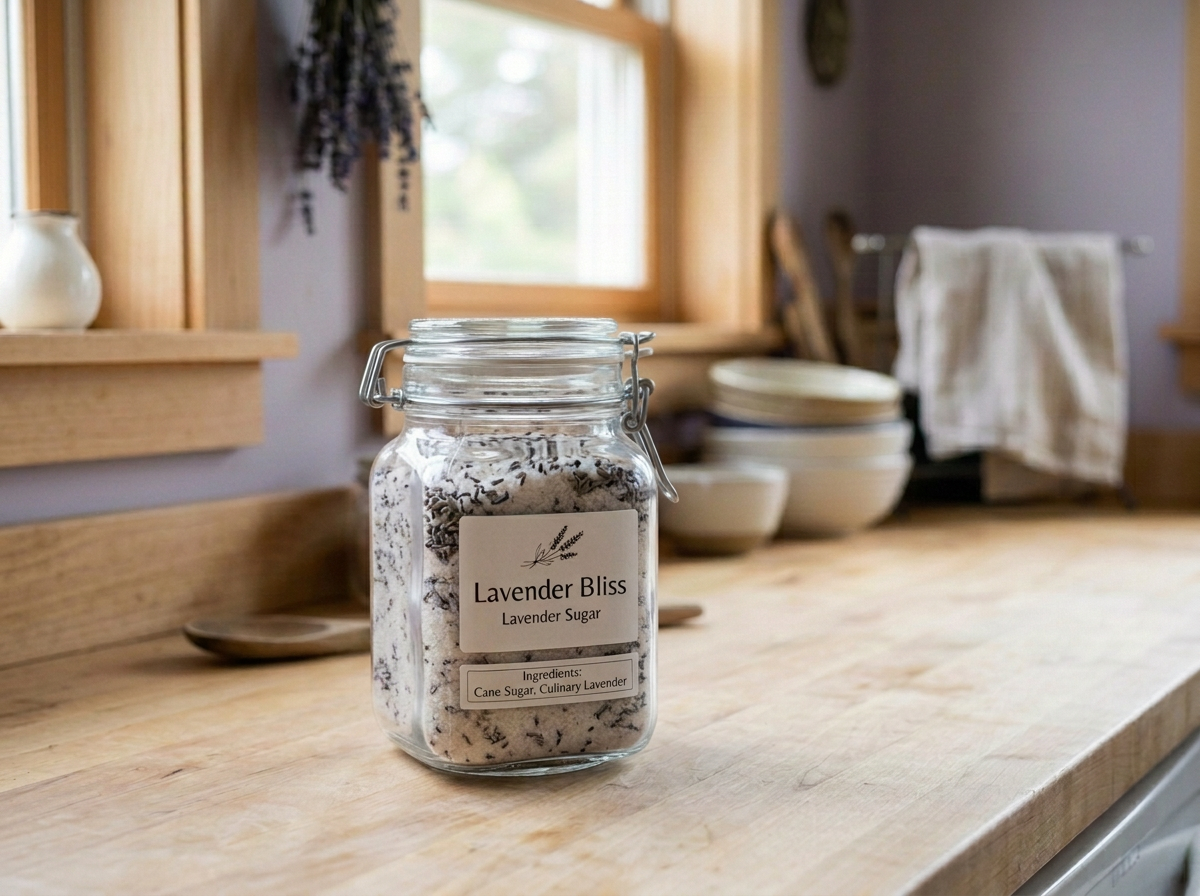
This pure cane sugar is blended with an almost equal part of culinary lavender. We load it up generously so you can decide how potent you want your lavender sugar to be—add more or less sugar to suit your taste.
Culinary lavender adds more than fragrance to your dishes—it's a versatile herb that brings flavor, aroma, and several health and culinary benefits:
Floral, sweet flavor: Lavender provides a delicate, floral-sweet note with subtle herbal and citrus undertones that complements both sweet and savory dishes.
Enhances baked goods: Use in cookies, cakes, scones, and shortbreads to add a sophisticated, aromatic twist.
Balances savory dishes: Works well with lamb, chicken, roasted vegetables, and herb blends (notably herbes de Provence) to add depth and a gentle floral lift.
Infuses liquids: Steep in cream, milk, or syrups for lavender-infused ice cream, custards, cocktails, lemonades, and syrups.
Aromatic seasoning: Ground or finely chopped, it seasons salt blends, sugar, and spice rubs without overpowering other flavors when used sparingly.
Supports digestion: Traditionally used to soothe the stomach and ease digestive discomfort when brewed as a mild tea or added to digestive syrups.
Promotes relaxation: The aroma of lavender is known for calming effects; incorporating it into desserts, teas, and beverages can enhance a relaxing dining experience.
Natural preservative and antimicrobial properties: Lavender contains compounds that can help inhibit some bacteria and mold, useful in infused syrups, preserves, and herbal preparations.
Low-calorie flavoring: