Lavender has always been my favorite essence.

The first thing that struck me was how the scent hangs in the air—not just in the fields but along roadsides, in small town plazas, and drifting from open windows. Walking through the rows of silver-green foliage and purple blooms is my new favorite thing…

The plants are cultivated with care: neatly spaced rows, well-pruned stems, and thoughtful harvesting practices preserve both fragrance and plant health in the place I live.

Sequim, Washington is where the lavender grows! It is absolutely everywhere, here. Sequim Washington’s climate—mild temperatures, low humidity, and lots of sun—creates ideal conditions for growing lavender with a clear, strong aroma. I have been visiting a dozen or so farms on the regular, since they started opening up for the season.

Living here has really helped me find myself, at 62. So, here I am feeling alive and powerful in my own body, ready to embody my feminist grandmother, Lorena, the florist extra-ordinaire. I grew up adoring her, and I learned a lot from her.

Lorena taught me that flowers are more than decoration; they are language and labor, ritual and resistance. She believed in doing work that mattered—arranging stems with intention, naming the varieties, knowing which blooms held up in heat and which ones needed gentle handling.

She also never let convention dictate her choices; she started her own business, and was successful. My grandmother was so successful in her female-owned business, started in the 1940s, the location remains a flower shop, today. And, I imagine that is menacing to some.

The term “lavender menace” is credited to Betty Friedan, wll known second wave feminist, as a complaint about lesbians. I have always referred to myself as a “political lesbian” specifically because I most understand and align with the feminist views that this group held that most annoyed Friedan. Ha! So, that’s all Im going to say about the name for now…

Here in Sequim, surrounded by fields that smell like memory, I’ve begun to practice those lessons again. I rise early to visit farms when the air is cool and the scent is at its purest. I learn farmers’ names and ask about their pruning schedules, their soil, the way they time harvests to catch the oils at peak concentration. I am already bringing home bundles and tying them with ribbons, remembering my grandmother’s hands guiding mine as I tie stems the way she showed me. I intend to hang bunches to dry in sunlit corners, and make the most gorgeous wreaths, modeling my grandmother’s attention to detail and insistence on perfection. I have ordered the best packaging I can find for each item and added that cost into the item price, already.

Lavender does something to the body and to the self. Its scent steadies breath, softens anger, and sometimes opens a seam where grief can be aired without collapsing. After years of disappointment, it feels almost radical to choose gentleness—both in how I treat myself and how I handle these plants. There is a strength in tending: in making small, careful gestures that add up to something steady and sustaining. The work of arranging, bundling, and preserving is therapeutic and practical; it connects me to a lineage of women who worked with their hands and named their worth.

My grandmother taught me to trust my senses, to know when fragrance is full and when it’s fading. I have observed that the farmers here respect the lavender’s rhythm.

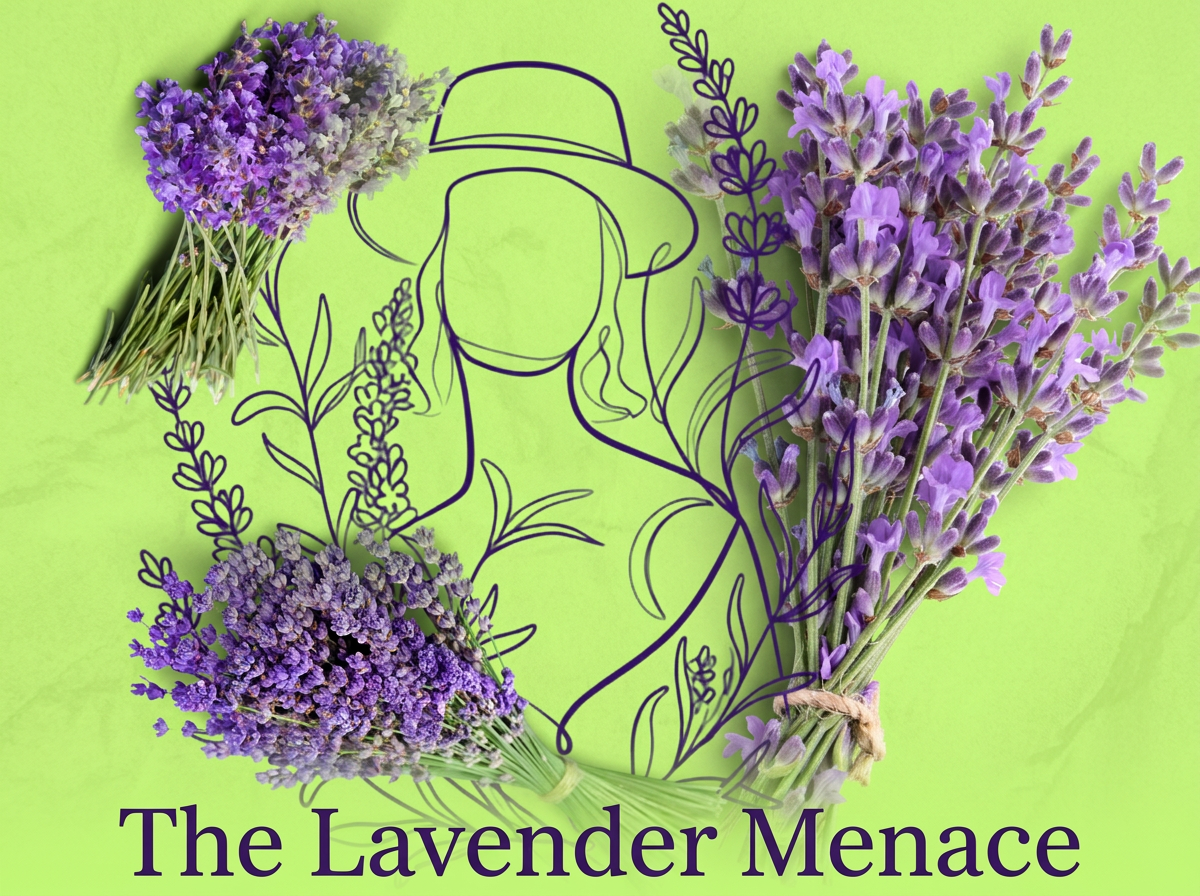
This is my site logo titled "The Lavender Menace: Lavender Gifts and Radical Books" with a minimalist line drawing of a woman wearing a hat, surrounded by lavender sprigs, on a light green background.

Want to connect? I would love to add you to my friends list.